

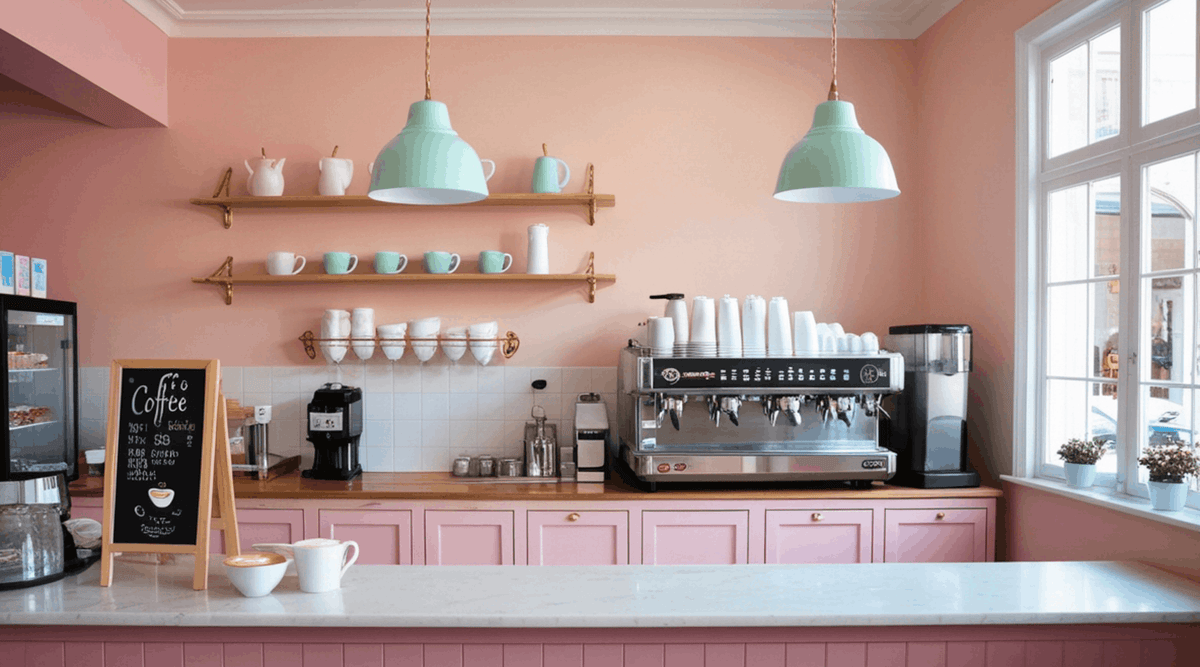
Creating a welcoming café isn't just about what's on the menu. How customers move through, use and feel in your space can shape their overall experience.
Whether you're working with a compact indoor area, a generous outdoor space or a combination of both, thoughtful design can help you make better use of what you have.
The goal is to balance atmosphere with functionality. Your café should feel inviting to customers while still allowing your team to move efficiently during busy periods.
Here are some practical ways to optimise your indoor and outdoor café spaces.
1. Create an Easy Flow Through Your Café
Start by thinking about how customers and staff naturally move through your space.
Customers should be able to easily understand where to enter, order, wait, collect their drinks and find a seat without creating unnecessary congestion.
Where possible, keep major walkways clear and avoid placing tables, displays or décor in areas that interrupt the natural flow between the counter and seating.
For staff, consider the routes they regularly take between the coffee machine, kitchen, counter and tables.
Small layout changes can sometimes make a significant difference during busy periods.
Café Tip: Walk through your café as if you're visiting for the first time. Is it immediately obvious where to order, where to wait and where to collect your drink?
2. Make the Most of Natural Light
Natural light can make a café feel brighter, more open and more inviting.
Where possible, avoid blocking windows with bulky furniture, displays or unnecessary signage.
Consider positioning seating near windows to make the most of naturally bright areas.
Mirrors, lighter surfaces and thoughtful furniture placement can also help reflect light through spaces that might otherwise feel darker.
For cafés with limited natural light, use warm, layered lighting to create a comfortable atmosphere rather than relying solely on harsh overhead lighting.
3. Choose Flexible Furniture
Café furniture needs to work hard, particularly when space is limited.
Look for tables and seating that can be easily rearranged depending on how customers are using the space.
Smaller tables can work individually for one or two customers and be pushed together when larger groups arrive.
Bench seating can also be an efficient option, particularly along walls where individual chairs might take up more room.
When choosing furniture, consider:
- How easily it can be moved
- How much floor space it occupies
- Whether tables can be combined
- How easy surfaces are to clean
- Whether customers can comfortably move around it
- How it fits with your overall café aesthetic
The goal is flexibility without making the space feel temporary or cluttered.

4. Reduce Visual Clutter
A café doesn't need to be minimalist to feel organised.
The important thing is making sure everything in the space feels intentional.
Keep takeaway supplies, cleaning products, excess stock and operational equipment stored away where possible.
Built-in shelving, under-bench storage and well-organised service areas can help keep frequently used items accessible without allowing them to dominate the customer-facing space.
Decorative items should also have room to breathe.
Rather than filling every shelf, wall and surface, choose pieces that contribute to the overall look and personality of your café.
5. Create Different Zones
Not every customer uses a café in the same way.
Some are stopping for a quick coffee. Others want to catch up with friends, work on a laptop or settle in for breakfast.
Creating subtle zones can help accommodate these different needs.
You might have:
- Smaller tables for individuals or couples
- Communal tables for groups
- Comfortable seating for customers staying longer
- Window seating for individuals
- Outdoor tables for casual dining
- Quieter areas away from the counter
You don't necessarily need walls or physical dividers to create these spaces.
Furniture placement, rugs, lighting, plants and different seating styles can all help visually define an area.
6. Use Technology Without Letting It Dominate the Space
Technology can help make your café more comfortable and efficient, but it should integrate naturally into the environment.
Lighting controls, temperature management, security systems, ordering technology and Wi-Fi can all contribute to the customer and staff experience.
Where possible, keep cables, screens and equipment organised so they don't create unnecessary visual clutter.
Technology should support the space rather than become the first thing customers notice.
7. Treat Outdoor Seating as an Extension of Your Café
If you have access to an outdoor area, think of it as another part of your café rather than an afterthought.
Use furniture, colours, materials and styling that complement your indoor space so customers experience a natural transition between the two.
Comfort is particularly important outdoors.
Consider:
- Shade
- Weather protection
- Comfortable seating
- Table stability
- Airflow
- Lighting
- Accessibility
- Ease of cleaning
Choose furniture and materials designed to withstand outdoor conditions so the area continues to look considered over time.

8. Introduce Greenery
Plants can help soften both indoor and outdoor café spaces while adding colour and texture.
Depending on your space, this could include:
- Indoor potted plants
- Hanging plants
- Window boxes
- Planter boxes
- Herb gardens
- Green walls
- Outdoor garden beds
For outdoor areas, consider plants that suit your local climate and the amount of sunlight the space receives.
Low-maintenance varieties can make greenery easier to manage alongside the everyday demands of running a café.
Indoors, make sure plants are positioned where they won't interfere with customer movement or service.
9. Make Outdoor Areas Comfortable Throughout the Day
An outdoor area that works beautifully at 8 am might be uncomfortable by midday.
Pay attention to how sun, shade, wind and temperature change throughout the day.
Umbrellas, awnings, pergolas and other shade solutions can make outdoor seating more comfortable during warmer weather.
For cooler periods, consider how sheltered areas, appropriate outdoor heating or warmer lighting could help extend the use of the space.
The more comfortable the area is across different conditions, the more useful that seating becomes.
10. Use Lighting to Shape the Atmosphere
Lighting serves both a practical and aesthetic purpose.
Indoors, combine functional lighting around service areas with softer lighting throughout customer seating.
Outdoors, make sure pathways, entrances and tables are sufficiently lit while maintaining a welcoming atmosphere.
Depending on your café's style, you might use:
- Pendant lighting
- Wall lights
- Lamps
- String lights
- Under-bench lighting
- Accent lighting around plants or architectural features
Avoid making every area equally bright.
Different levels of lighting can help create depth and make the café feel warmer and more inviting.
11. Create a Consistent Indoor-Outdoor Experience
If your café has both indoor and outdoor seating, the two areas don't need to look identical, but they should feel connected.
Repeating a few elements can create consistency.
This could include similar:
- Colours
- Furniture materials
- Plants
- Signage
- Tableware
- Lighting styles
- Decorative details
Large windows or doors can also help visually connect the spaces.
The goal is for customers to feel like they're still experiencing the same café regardless of where they choose to sit.
12. Review How Customers Actually Use the Space
The way you imagine customers will use your café isn't always how they actually use it.
Pay attention to which tables fill first, where customers tend to wait, which seats rarely get used and where congestion regularly occurs.
Ask your team what they notice during busy service periods too.
They may identify areas where furniture gets in the way, customers regularly seem confused or staff movement becomes difficult.
You don't necessarily need a complete redesign.
Moving a table, changing a waiting area or repositioning a sign can sometimes make the space work significantly better.
Create a Café Space That Looks Good and Works Well
A well-designed café should balance atmosphere, comfort and functionality.
Think about how customers move through your space, where they naturally want to sit and how your team needs to operate during busy periods.
Then consider the details that shape the atmosphere, from natural light and greenery to furniture, lighting and the connection between your indoor and outdoor areas.
You don't need to redesign everything at once. Small, thoughtful changes can make your café easier to navigate, more comfortable to spend time in and more enjoyable for both customers and staff.
Ready to Create a Better Café Experience?
Your layout is only one part of creating a café customers enjoy spending time in. Music, décor, menu design, service and the smaller details throughout your space all contribute to the overall experience.
For more practical ideas for creating a welcoming café, developing your menu and getting more from your drinks offering, explore the Cashmere Syrups Café Hub.