
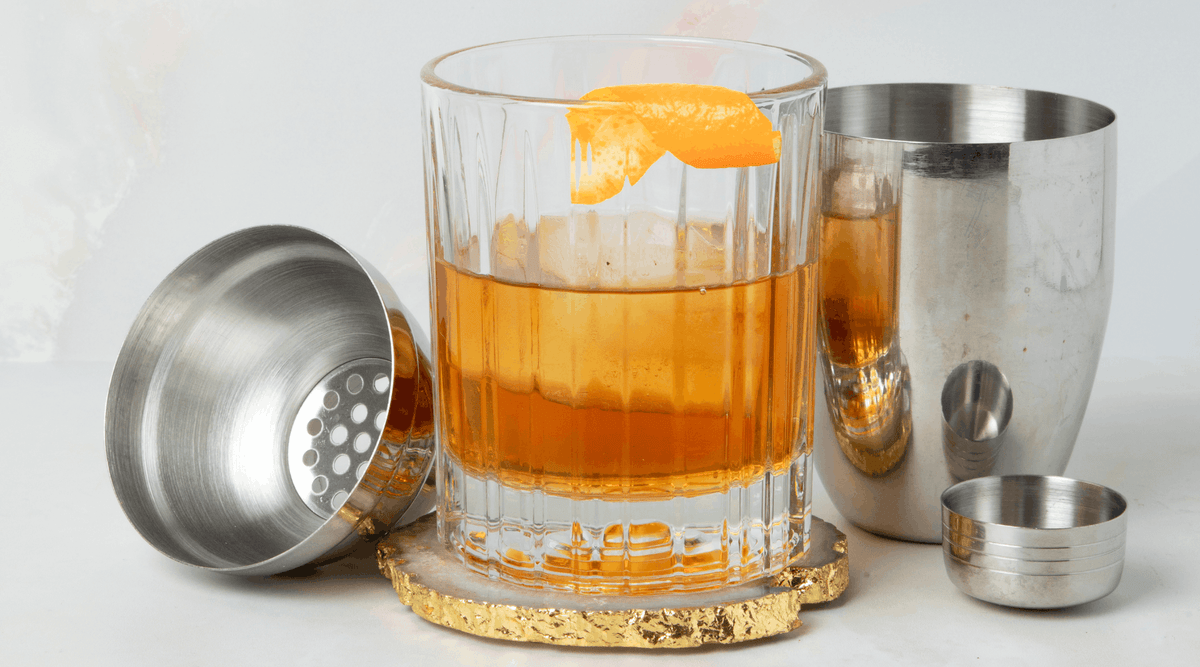
Ever followed a cocktail recipe exactly, taken the first sip and thought something was not quite right?
Maybe it was too sweet. Maybe the alcohol completely took over. Or perhaps it just tasted a little flat.
A great cocktail is all about balance. And once you understand what each ingredient is bringing to the glass, it becomes much easier to tweak recipes, experiment with flavours and create cocktails that actually suit your taste.
Three ingredients worth getting to know are vermouth, bitters and syrup. They might only make up a small portion of your drink, but they can completely change the final result.
Here is how each one works, how much to use and what to do when your cocktail needs a little adjusting.
First, What Makes a Cocktail Balanced?
Balance does not necessarily mean being able to taste every ingredient equally.
Instead, you want the different elements of the cocktail to complement one another.
Depending on the drink, you might be balancing:
-
Sweetness
- Bitterness
- Acidity
- Alcohol
- Aromatics
- Dilution
A Margarita, for example, balances the strength of tequila with citrus and sweetness. An Old Fashioned takes a strong spirit and softens it with sweetness, bitters and dilution.
The trick is understanding what each ingredient contributes, rather than simply adding more of everything.
Vermouth: More Than a Supporting Ingredient
Vermouth is a fortified and aromatised wine, commonly used in classics such as the Martini, Manhattan and Negroni.
There are several styles available, but for home cocktail making you will most commonly come across sweet vermouthand dry vermouth.
Sweet vermouth tends to bring richer, sweeter and more herbal notes to a drink. Dry vermouth is generally lighter, more delicate and herbaceous.
Vermouth can soften the intensity of a base spirit while adding another layer of flavour and complexity.
How Much Vermouth Should You Use?
It depends entirely on the cocktail.
A classic Manhattan often uses a ratio of around two parts whiskey to one part sweet vermouth, while Martini ratios can vary dramatically depending on how dry you like your drink.
If you are experimenting rather than following a recipe, start small.
Add a little vermouth, stir, taste and adjust.
Cocktail tip: Once opened, vermouth belongs in the fridge. Because it is wine based, it will oxidise over time. Keeping it refrigerated helps it stay fresher for longer.

Bitters: A Little Goes a Long Way
Bitters are one of the smallest ingredients in many cocktails, but they can make an enormous difference.
Think of them a little like seasoning in cooking.
A couple of dashes can add spice, citrus, herbs, warmth or bitterness without necessarily making the drink taste overtly bitter.
Angostura aromatic bitters are probably the most recognisable, but there are plenty of other varieties available, including orange, grapefruit and chocolate bitters.
Different bitters can completely change the character of the same cocktail.
How Much Should You Add?
Usually, you are working in dashes rather than millilitres.
Start with one or two dashes, depending on the drink, then taste.
Adding more bitters is easy. Taking them back out is considerably harder.
If your cocktail tastes very sweet or seems to be missing some complexity, a dash of bitters can sometimes be exactly what it needs.
Syrup: Sweetness With a Purpose
Syrup is not just there to make cocktails sweet.
Used properly, it can soften alcohol, balance acidity and bring different flavours together. Flavoured syrups can also introduce another dimension to a cocktail without requiring a long list of ingredients.
The important part is restraint.
Too much syrup can quickly overpower a drink, particularly when you are also using naturally sweet ingredients such as fruit juice, liqueurs or sweet vermouth.
Start with around 10 to 15ml of syrup for a single cocktail and adjust from there, depending on the other ingredients.
If you are using a particularly tart citrus juice, you may want a little more. If your cocktail already contains a sweet liqueur or vermouth, you may need less.
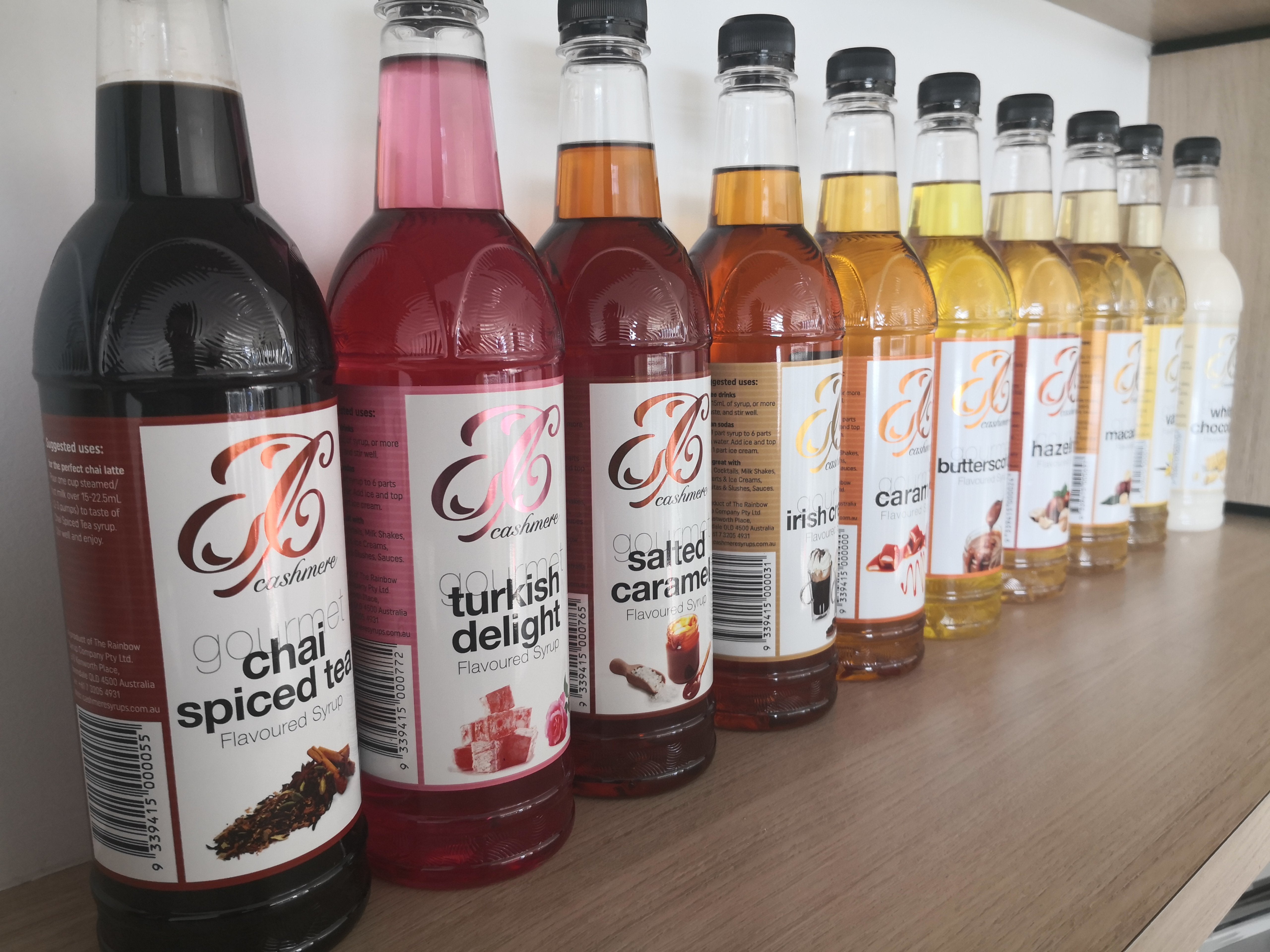
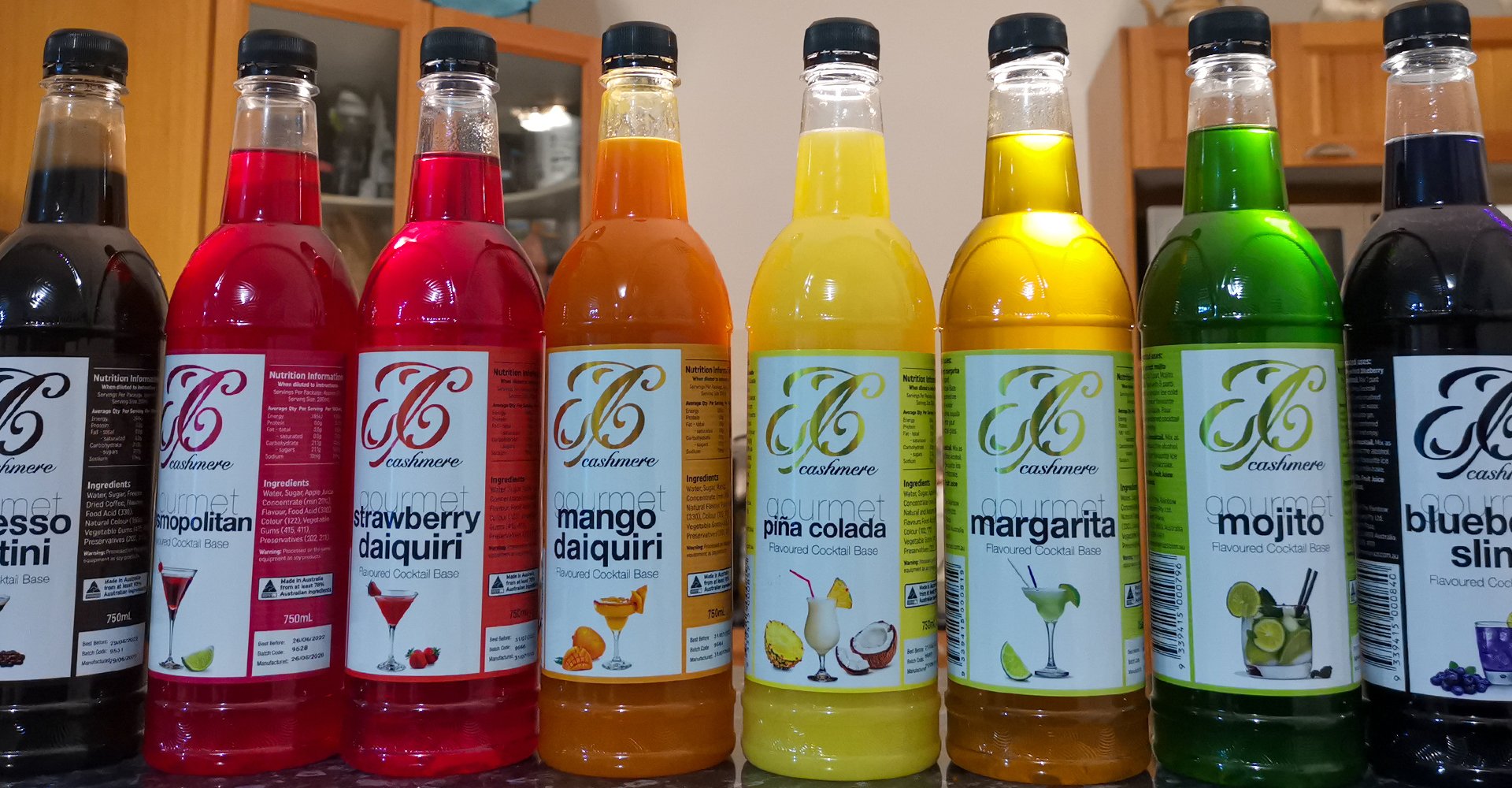
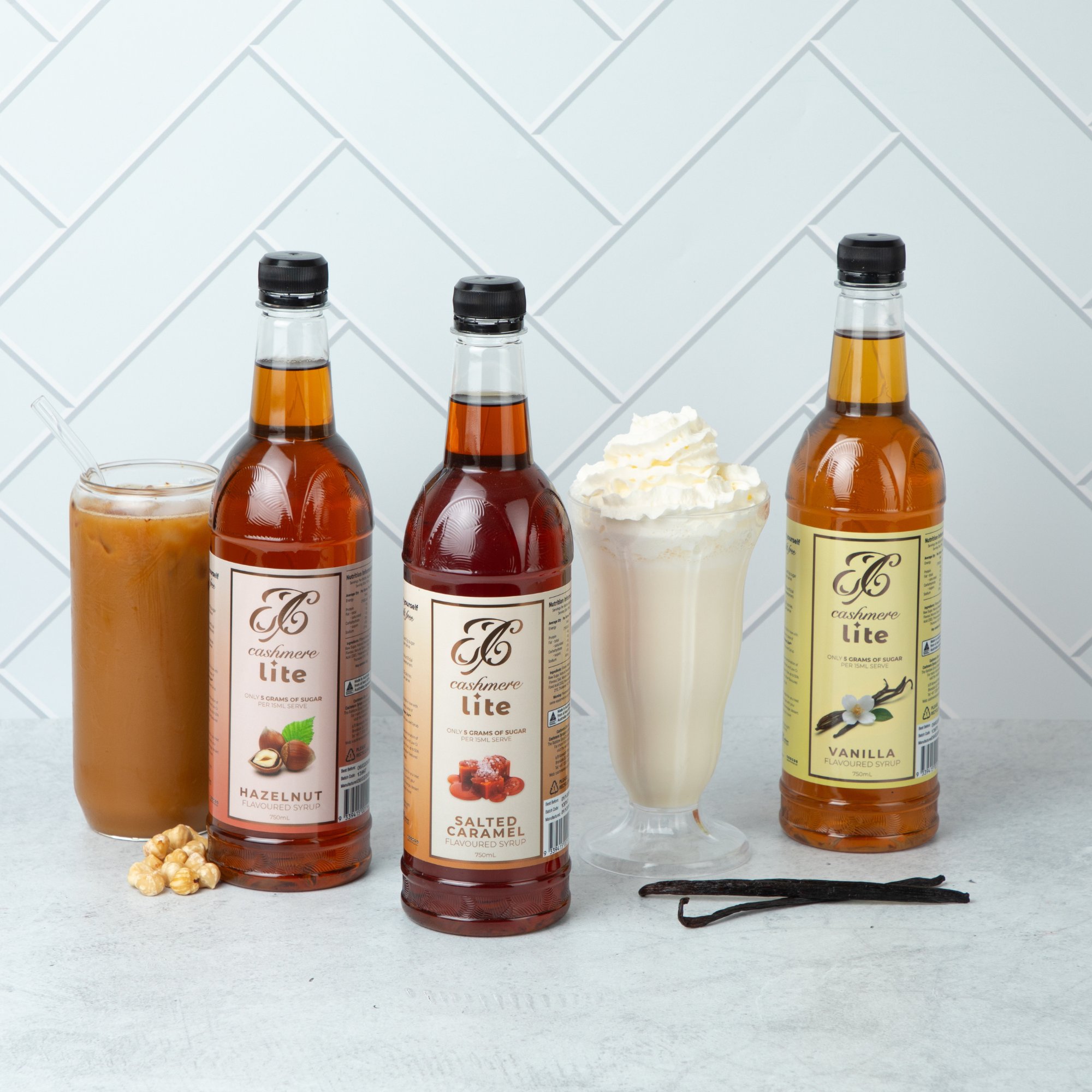
Flavoured syrups also give you plenty of room to experiment. Vanilla can soften darker spirits, caramel works beautifully with rich and warming flavours, while fruity syrups can complement citrus, gin, vodka and sparkling cocktails.

How Vermouth, Bitters and Syrup Work Together
This is where cocktail making gets interesting.
Rather than thinking about each ingredient individually, think about how they interact.
Imagine you are making a whiskey based cocktail.
The whiskey brings strength, warmth and oak. Sweet vermouth can soften the spirit while adding herbal sweetness. Bitters bring spice and complexity. A small amount of syrup can round everything out.
If the finished cocktail is too sweet, you might reduce the syrup or vermouth.
If it tastes too strong, a little more dilution or vermouth could help.
If it tastes flat, bitters might be the missing piece.
The goal is not necessarily to add more ingredients. It is to work out which part of the balance needs adjusting.
Try It: A Vanilla Old Fashioned Twist
One of the easiest ways to put these principles into practice is with a simple twist on an Old Fashioned.
You'll need
- 60ml bourbon or rye whiskey
- 5 to 10ml vanilla flavoured syrup
- 2 dashes aromatic bitters
- Ice
- Orange peel, to garnish
How to make it
Add the whiskey, syrup and bitters to a mixing glass filled with ice.
Stir for around 20 to 30 seconds. This chills the cocktail while introducing just enough dilution to soften the alcohol.
Strain over a large ice cube in a rocks glass.
Express the oils from the orange peel over the drink, then use it to garnish.
Make It Your Own
Start with 5ml of syrup and taste before increasing it.
Want a rounder, sweeter drink? Add another small splash of syrup.
Too sweet? Reduce the syrup next time or slightly increase the whiskey.
Looking for more spice? Try an additional dash of bitters.
You can also experiment with bourbon for a softer, sweeter profile or rye whiskey for a drier, spicier finish.
This process of tasting and adjusting is one of the best ways to become more confident at making cocktails without relying completely on a recipe.

How to Fix a Cocktail That Does Not Taste Right
Before tipping a disappointing cocktail down the sink, you can often rescue it with one small adjustment.
Too sweet?
Try adding acidity, bitters or a little more of the base spirit, depending on the style of cocktail.
Too sour?
Add syrup in small increments. Even an extra 5ml can make a noticeable difference.
Too strong?
Dilution might be the answer. Stir the drink over ice for a little longer, or add a small amount of an appropriate mixer.
Too bitter?
A touch of sweetness can help soften excessive bitterness.
Tastes flat?
Try a dash of bitters, a squeeze of fresh citrus or an aromatic garnish such as orange or lemon peel.
Everything tastes separate?
Do not forget dilution. Stirring or shaking with ice does more than make your cocktail cold. The water introduced during the process helps bring the ingredients together.
The Best Cocktail Recipe Is the One You Like
Cocktail recipes are a brilliant starting point, but they are not rules you have to follow forever.
Some people love a spirit forward drink. Others prefer something sweeter, fruitier or more refreshing.
Understanding ingredients such as vermouth, bitters and syrup gives you the confidence to make those adjustments deliberately.
Start with a recipe. Taste it. Decide what it needs. Then make one small change at a time.
Before long, you will stop wondering whether you are making cocktails the "right" way and start making them exactly the way you like them.
For more cocktail recipes, drink inspiration and ideas to try at home, explore the Cashmere Syrups blog, or shop the Cashmere Syrups collection to find a flavour for your next cocktail night.